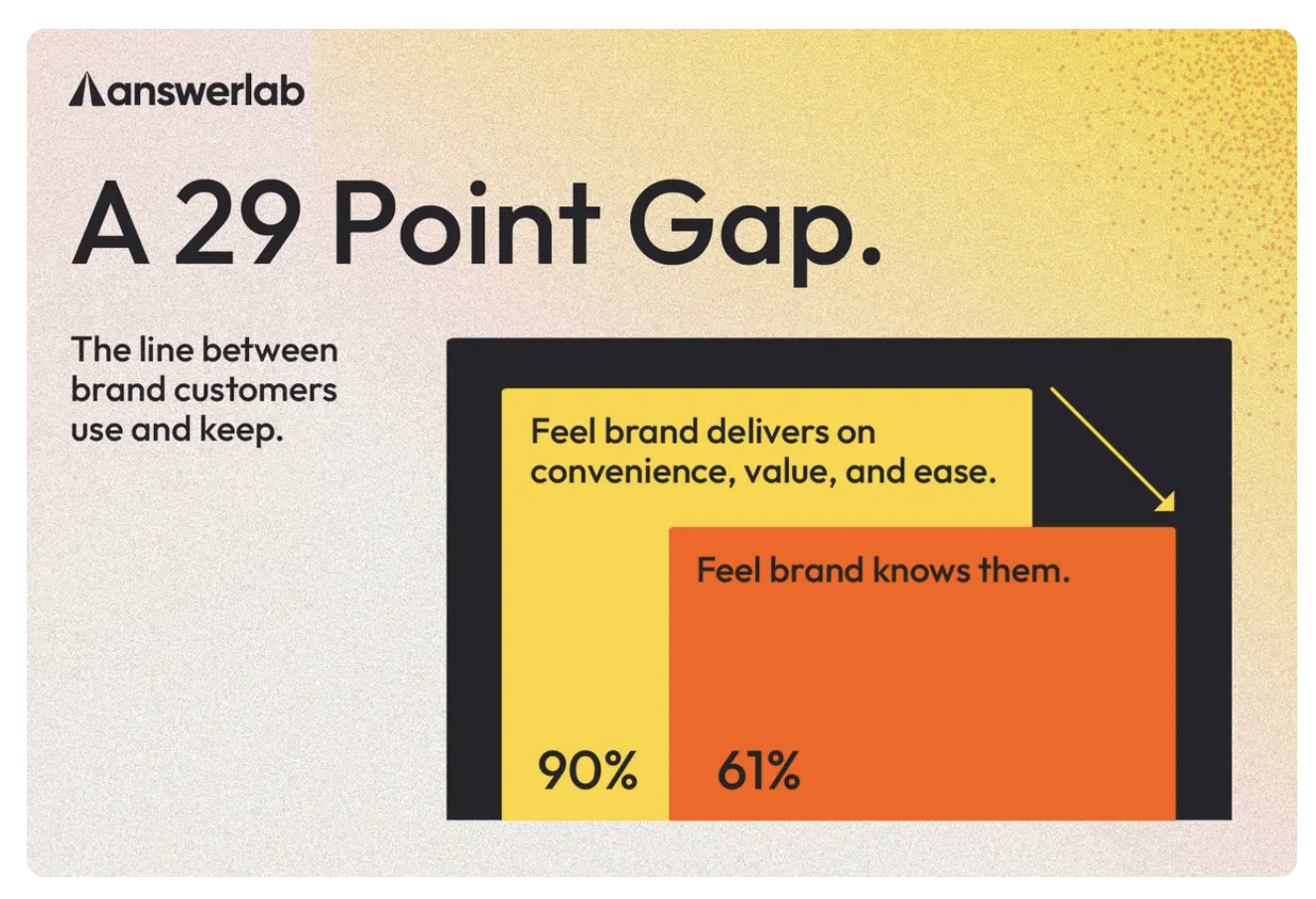
Transforming AI-Powered Research into an Editorial Data Story That Earned Industry Recognition
Overview
In March 2026, AnswerLab published the Consumer Loyalty Study, an AI-powered research initiative that explored the widening gap between what brands believe drives customer loyalty and what consumers actually value. The study combined AI-assisted moderation with qualitative research to uncover how trust, transparency, and personalization shape modern brand relationships.
As Art Director of Marketing, I led the visual storytelling strategy that transformed complex research findings into a compelling, accessible narrative across digital channels. Working closely with our CMO, I translated behavioral insights into a cohesive visual experience that reinforced AnswerLab's evolving brand identity while increasing the visibility and reach of the study.
The Challenge
The research introduced a nuanced perspective on customer loyalty. While brands continue investing heavily in loyalty programs and personalization, consumers increasingly base loyalty on trust, transparency, and meaningful experiences. Not incentives alone.
Our challenge wasn't simply presenting research findings, but also to create a visual narrative that would:
Make behavioral research immediately understandable.
Build credibility with enterprise decision-makers.
Reflect AnswerLab's research-first brand positioning.
Create assets flexible enough for web, social, earned media, and sales enablement.
I was responsible for the creative direction and execution of the study's visual communication.
Designing the complete data visualization system for the report.
Establishing the visual language used across digital distribution channels.
Creating editorial layouts that simplified complex qualitative insights.
Partnering with the CMO to align storytelling, messaging, and brand strategy.
Developing creative assets that translated research into engaging marketing content.
Supporting launch materials used across owned and earned media.
Research Innovation
A defining aspect of this study was AnswerLab's use of AI-assisted moderation to support survey analysis and participant interviews. Rather than replacing researchers, AI accelerated the synthesis of qualitative data, helping uncover recurring themes around consumer trust, personalization, and loyalty while preserving the human expertise required for interpretation.
This approach enabled the research team to identify what became one of the study's central findings:
Consumers reward brands that balance personalized experiences with transparency and trust.
That insight became the foundation of the report's visual narrative.
Design Approach
Because the study relied heavily on behavioral data and qualitative insights, the visual system needed to balance analytical rigor with accessibility.
Working alongside our CMO, I developed a storytelling framework that emphasized:
Editorial hierarchy that guided readers through key findings.
Data visualizations designed for rapid comprehension.
Brand-consistent illustration, typography, and color systems.
Modular graphics adaptable across reports, social media, web, presentations, and campaign assets.
Each visualization was designed not only to communicate data accurately but to reinforce the emotional themes of trust, recognition, and human-centered decision making.
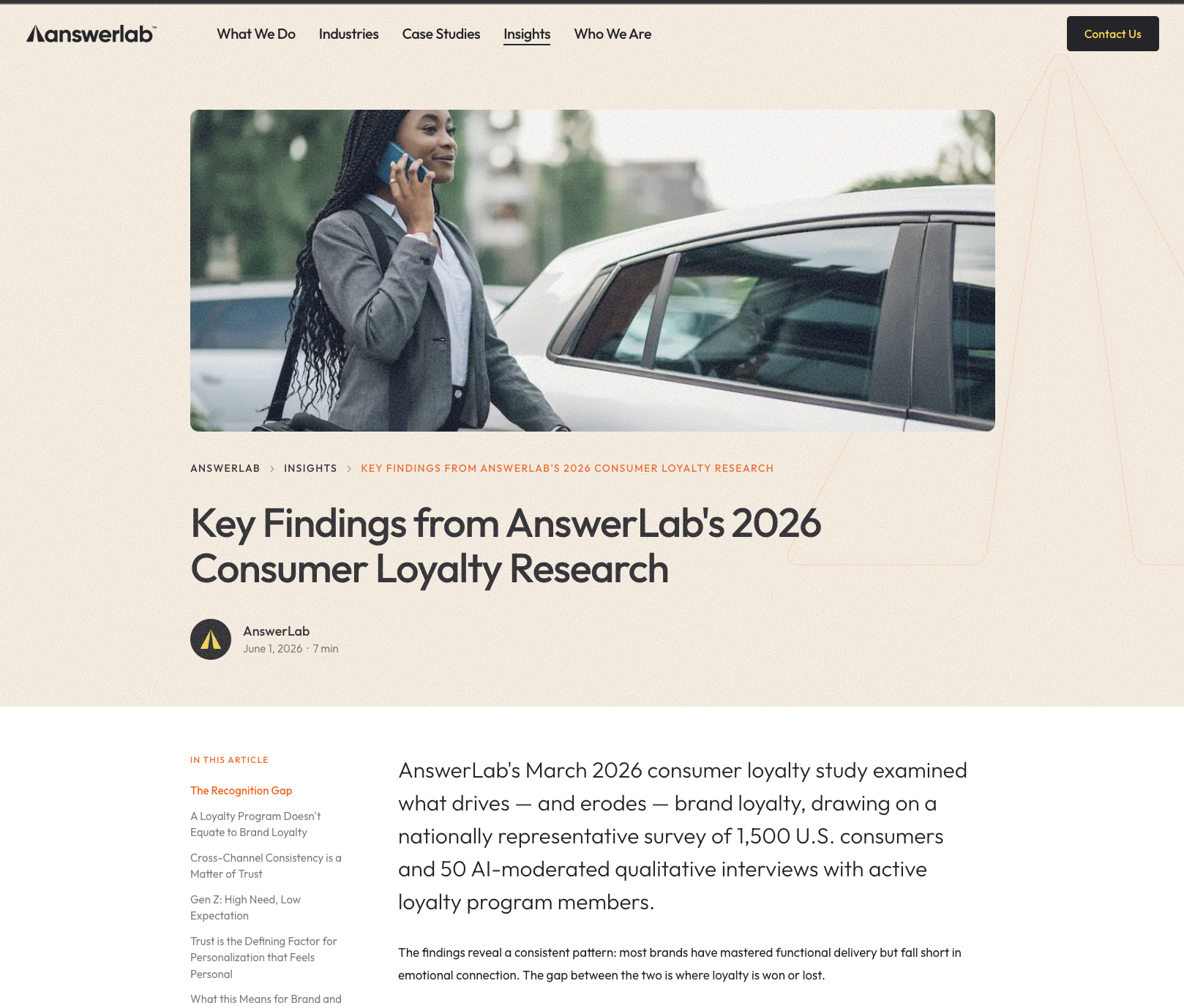
Article Page on AnswerLab Website
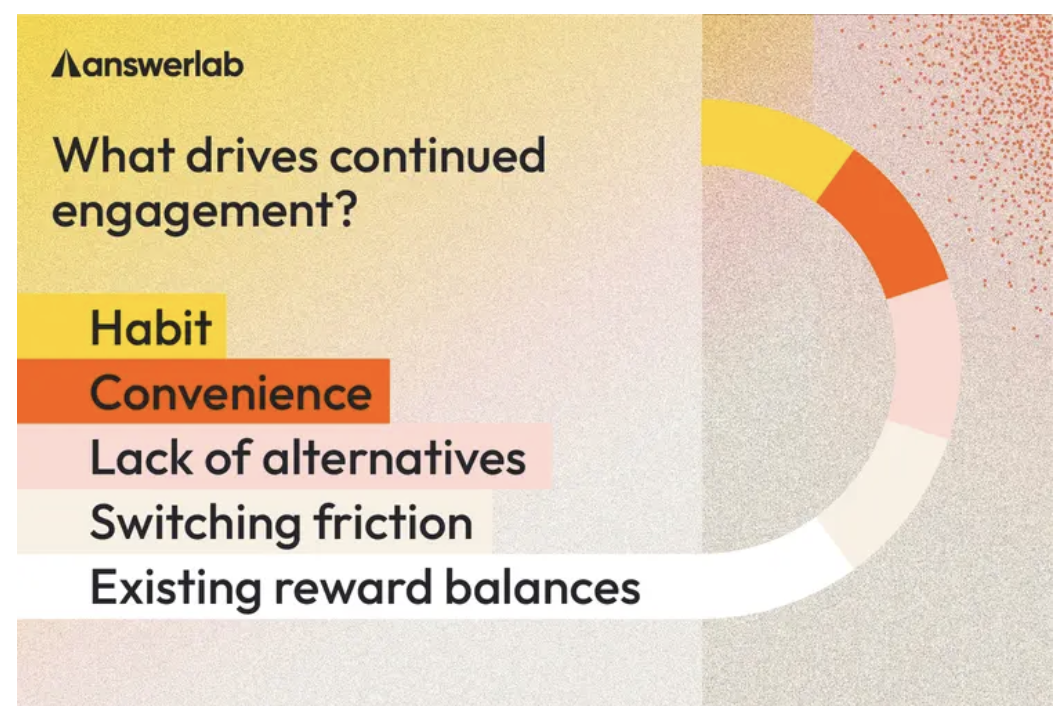
Graphic Inset
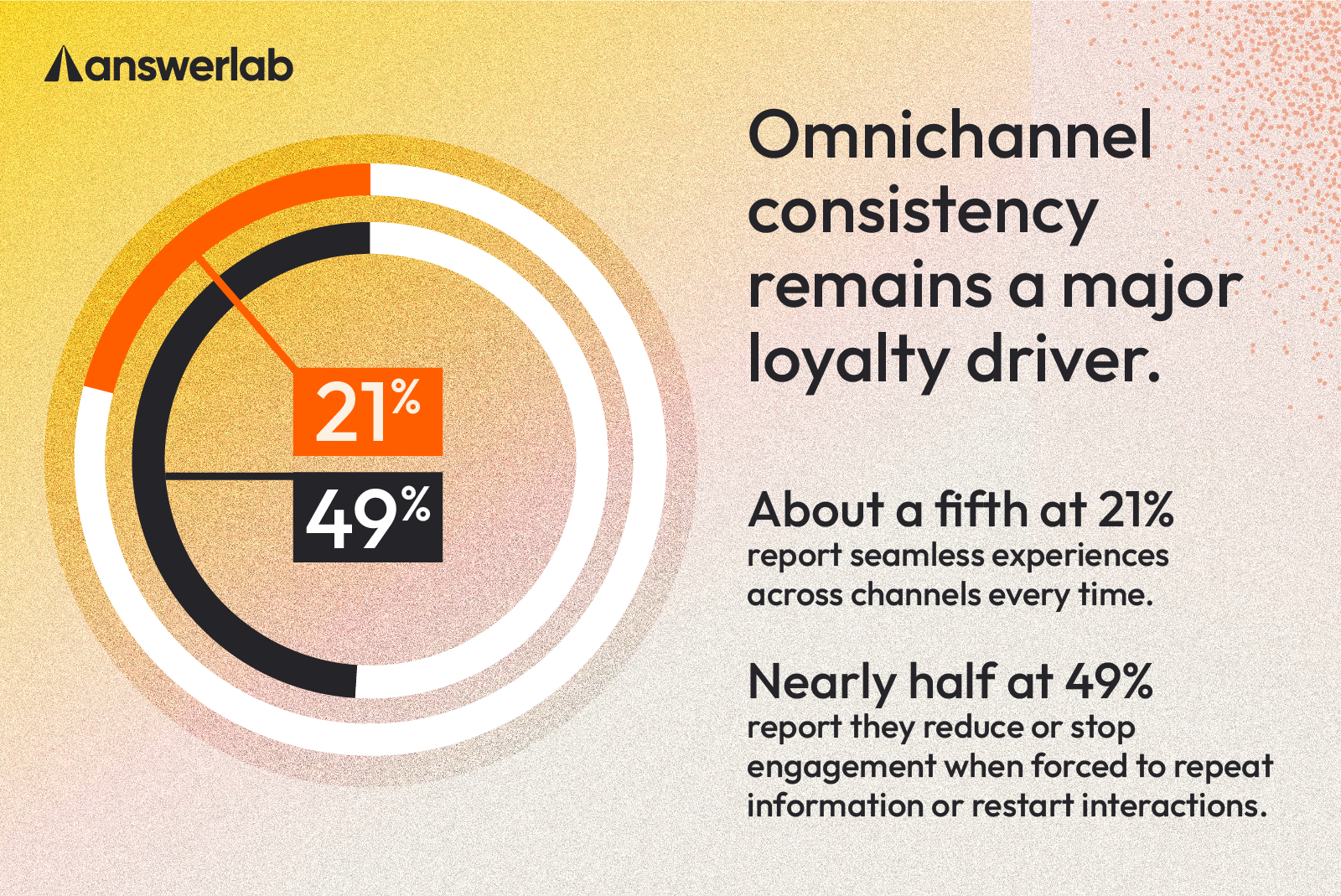
Graphic Inset
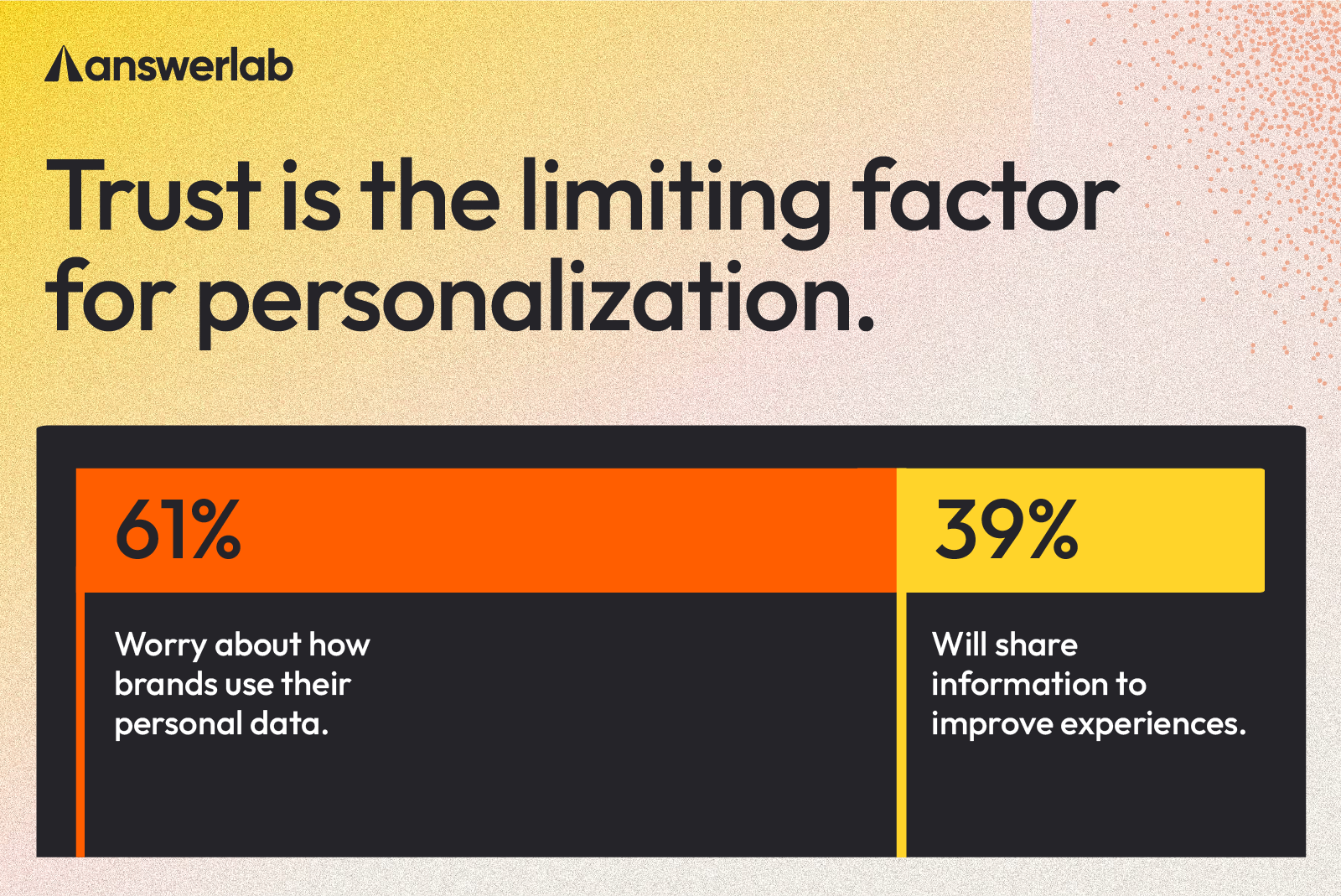
Graphic Inset
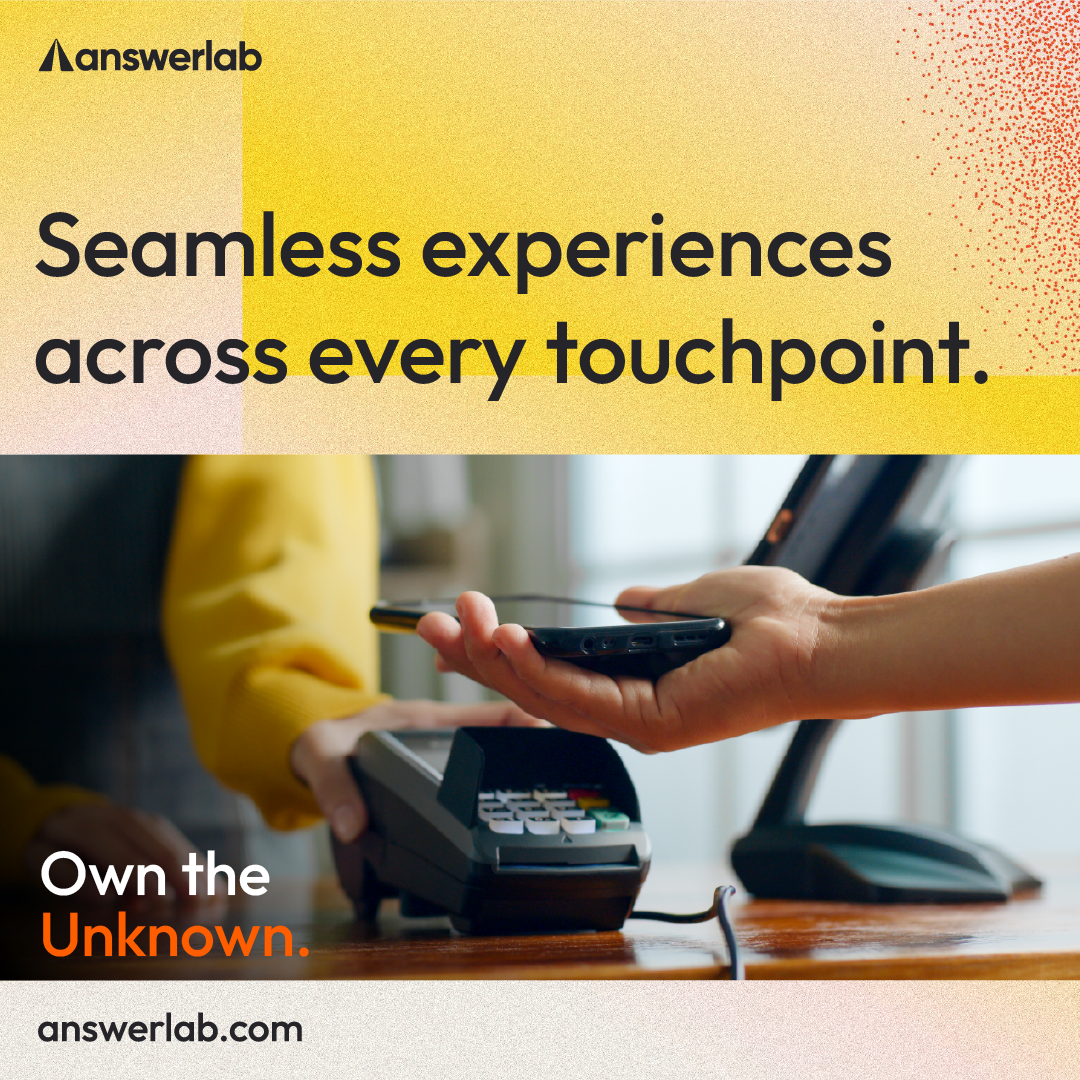
Organic Ad For Omnichannel SEO
Key Insight
One of the study's strongest conclusions was that personalization strategies must balance relevance with transparency and trust.
Rather than treating this as a single statistic, we positioned it as the central narrative thread throughout the report—using visual hierarchy, callouts, and supporting data to connect individual findings into a cohesive story for marketing and CX leaders.
Results
The visual storytelling strategy helped extend the reach of the research beyond AnswerLab's owned channels.
The study earned industry coverage from:
MediaPost
Loyalty Magazine
The design system also provided reusable creative assets that supported digital marketing campaigns, thought leadership initiatives, and sales conversations long after the initial report launch.
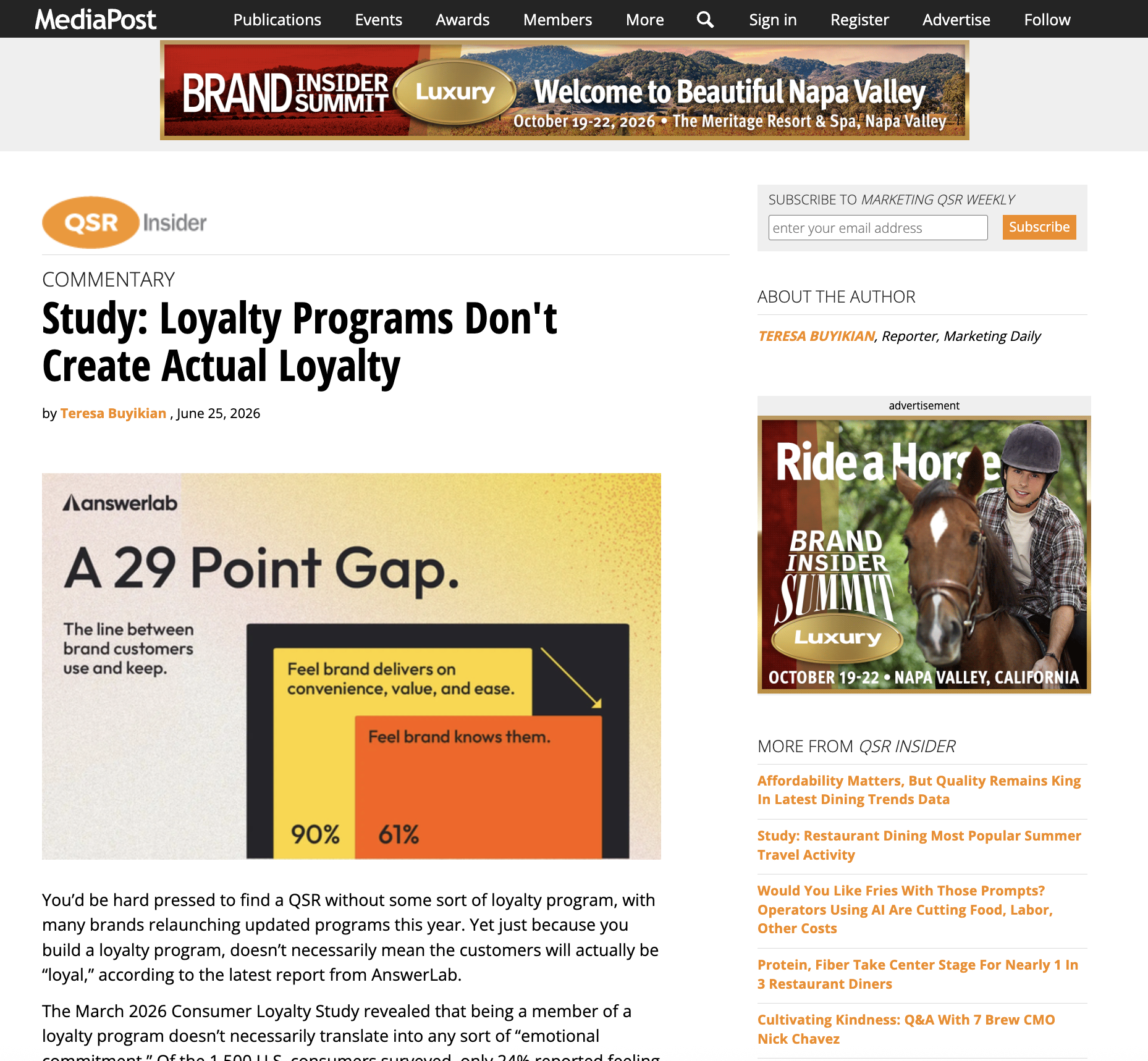
Loyalty Programs Don’t Create Actual Loyalty. MediaPost Article
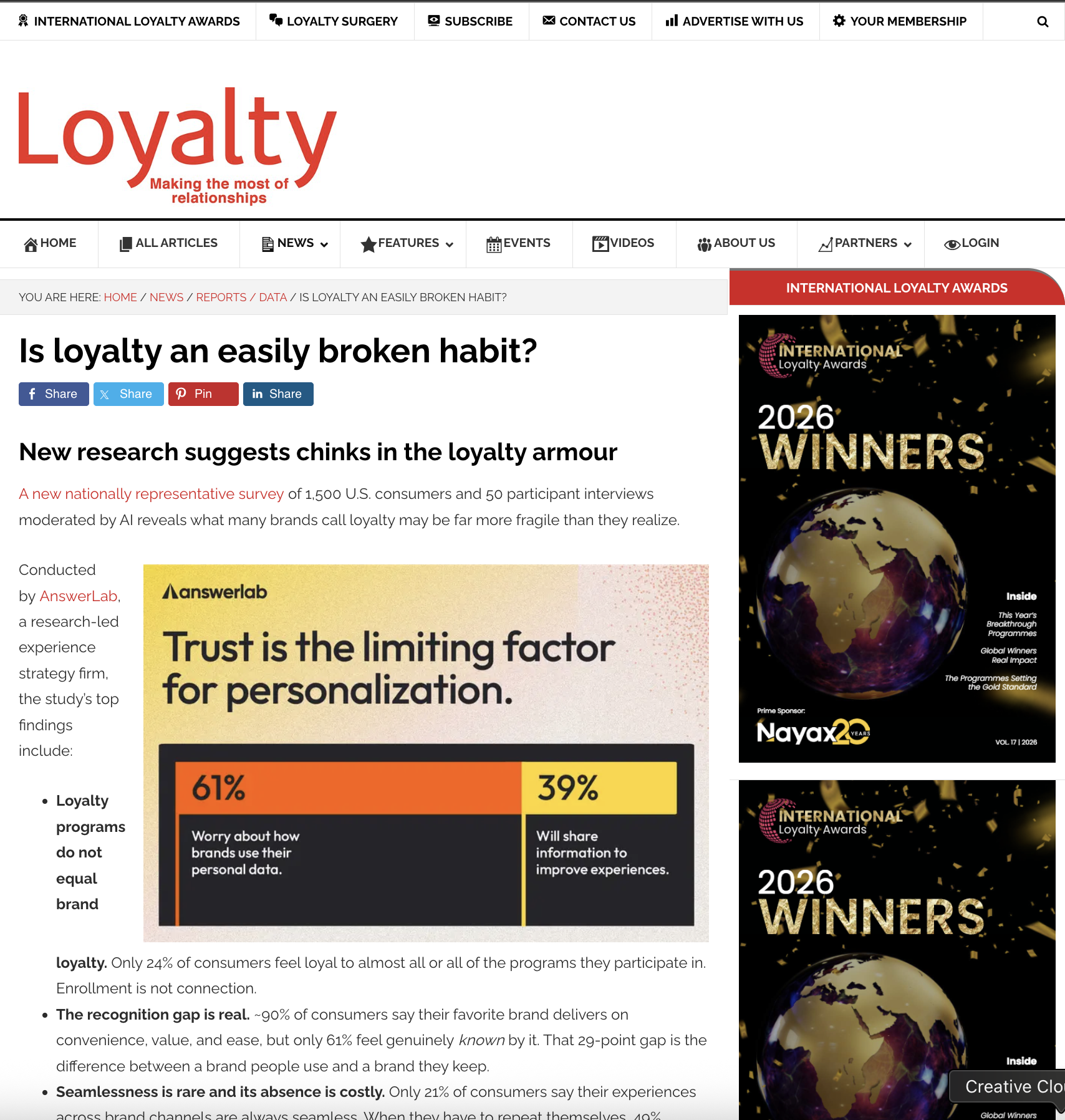
Is Loyalty an easily broken habit? Loyalty Magazine Article
Impact
This project demonstrated how thoughtful design can amplify research by making behavioral insights more accessible, memorable, and actionable.
By combining AI-enabled research with editorial data visualization, the Consumer Loyalty Study positioned AnswerLab as a forward-thinking authority on customer experience while reinforcing a brand narrative centered on human insight, trust, and innovation.